
Sales Hotline:
400-8768-331
400-8768-331
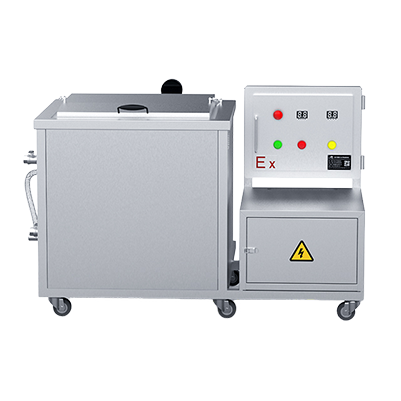
Appearance Diagram
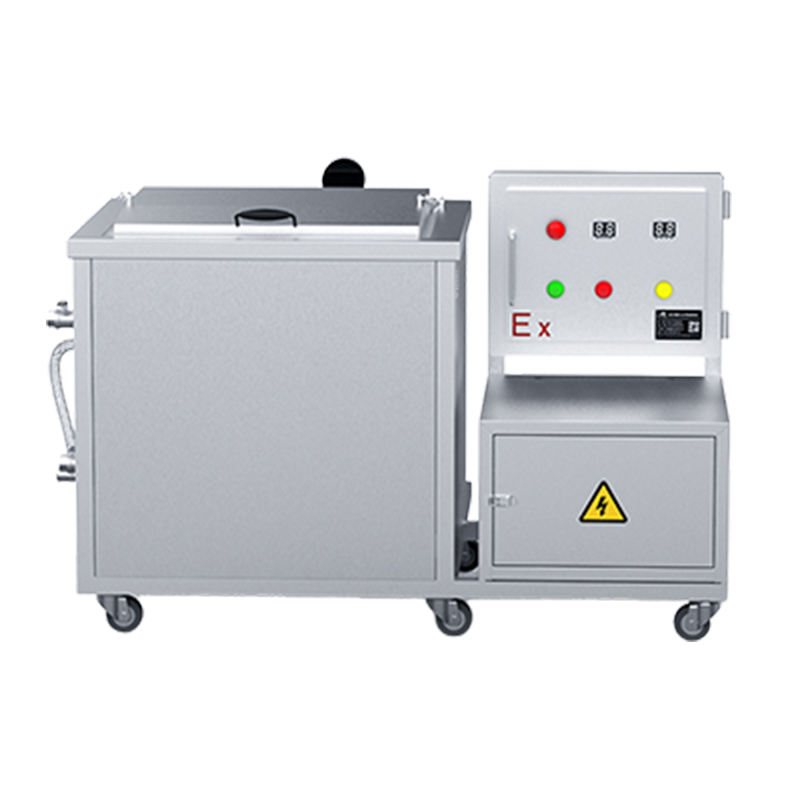
1. Intrinsic safety protection: Isolating explosion risks and blocking the spread of ignition sources. Positive pressure inert gas barrier Compressed air or nitrogen (with a pressure maintained at 0.4-0.6MPa) is introduced into the chassis to keep the internal pressure at least 20% higher than the external environment. This effectively prevents flammable gases from the outside (such as volatile solvent vapors in petroleum and chemical environments) from seeping into the box, eliminating the explosion conditions. Intrinsically safe circuit design: All electrical components (including power supplies and relays) adopt intrinsically safe circuits with explosion-proof certification, eliminating potential ignition sources such as electric sparks, arcs or high-temperature surfaces. Suppress internal explosion triggers and temperature control to prevent overheating: Integrate refrigeration coils and temperature sensors to strictly control the temperature of the cleaning solution below the flash point of the solvent (typically 40-60℃), avoiding the self-ignition of cleaning agents (such as hydrocarbon solvents) caused by high temperatures. Pressure relief safety guarantee: When abnormal pressure increase occurs inside the box (such as greater than 1.2 times the threshold), the pressure relief valve will automatically release air and filter it to the recovery device to prevent physical rupture caused by pressure accumulation